Best robot mops 2026
Our pick of the best robot mops, ranked by our independent scores — best overall, best value, best budget and more.
Dedicated robot mops go beyond the damp-cloth pass of a 2-in-1: vibrating or rotating pads with downward pressure actually scrub. If hard floors are your priority, here's what separates real cleaning from streaky water-pushing.
Our top picks
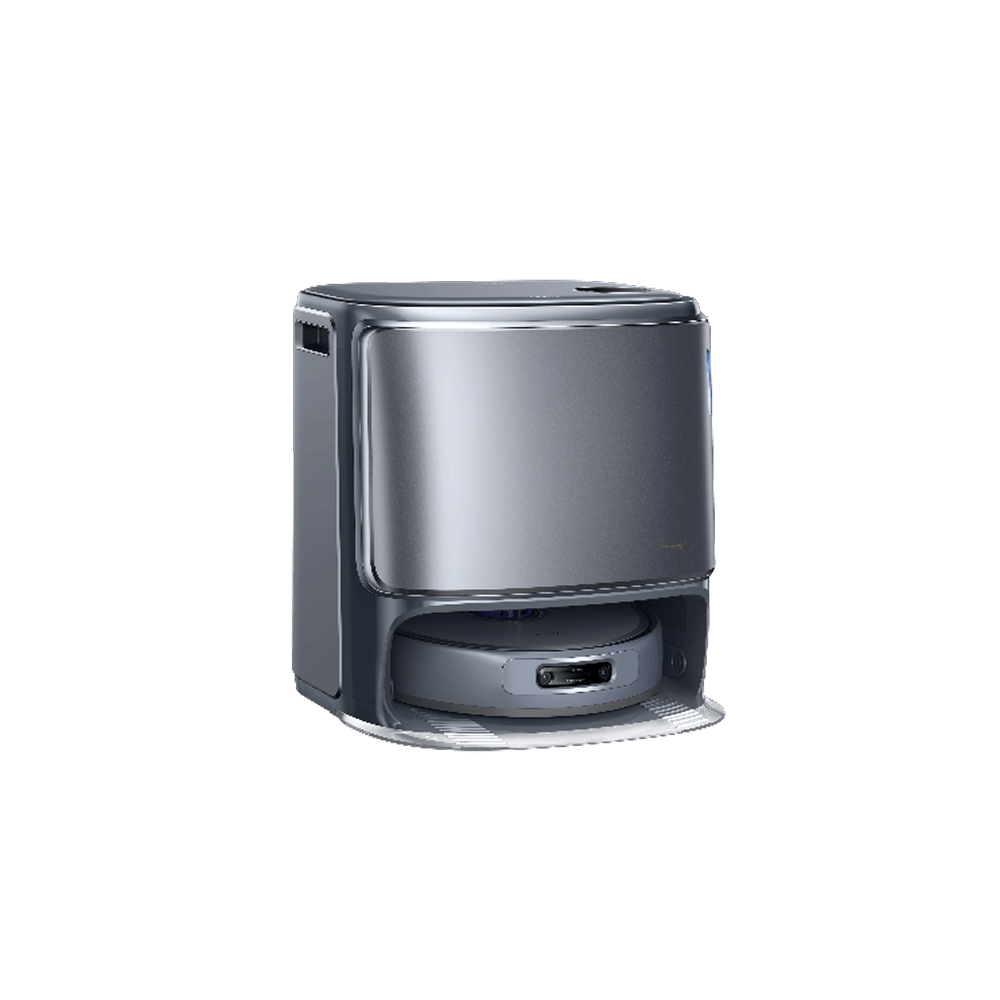

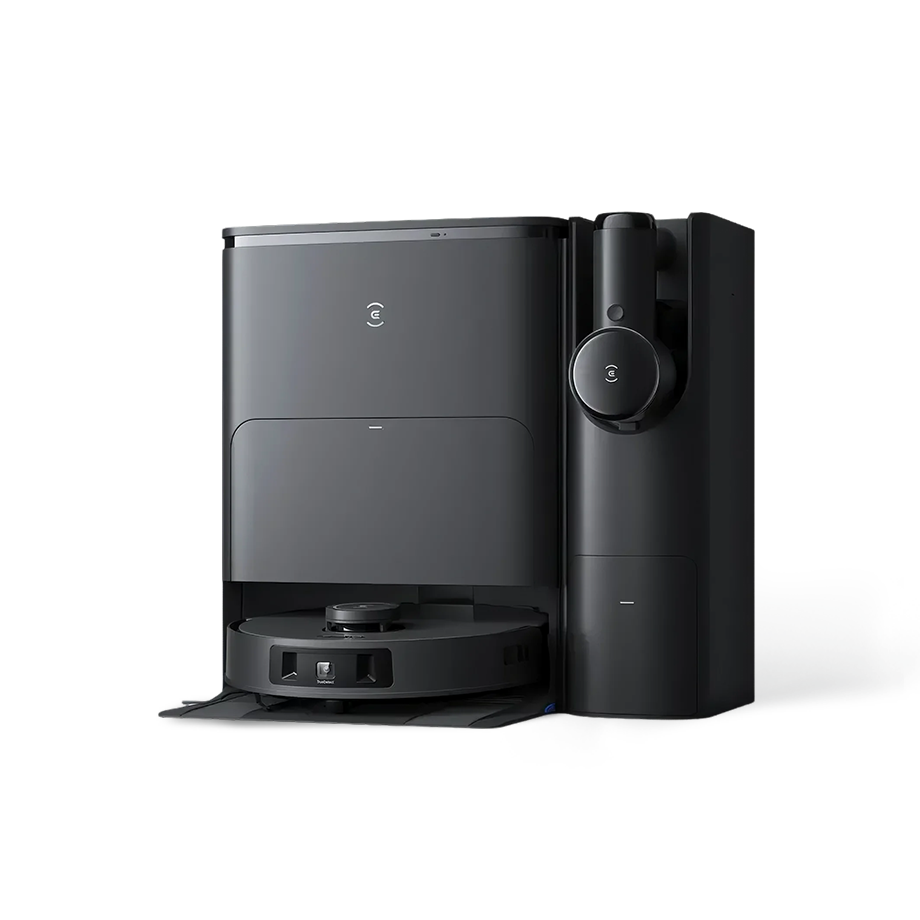

How to choose
Scrubbing system
Spinning or high-frequency vibrating pads with applied pressure lift dried-on messes; a flat dragged cloth mostly redistributes them. Rollers that continuously rinse the pad keep dirt off the floor instead of smearing it around.
Self-wash & dry dock
An auto-wash dock rinses the pads between runs and hot-air dries them so they don't grow mildew. Without it you're hand-washing pads after every clean — the single biggest convenience difference.
Navigation
LiDAR or camera mapping lets the mop follow methodical paths and avoid rugs; lifting pads raise off carpet automatically so you don't soak it.
How much to spend
Simple mopping robots start near €200. Real scrubbing with a self-wash dock generally begins around €600, with top all-in-one stations above €1,000.
Frequently asked questions
How does a robot mop clean stains?
Vibrating or rotating pads scrub the floor while applying downward pressure; spray or roller systems keep the pad wet for tougher, dried-on messes.
Does the mop pad wash itself?
Models with an auto-wash dock rinse and (often) hot-air dry the pads between runs, so they don’t smell or smear dirt around.
Can it mop and vacuum in one pass?
2-in-1 robots vacuum and mop together; dedicated mops only mop and often pair with a vacuum robot for a vacuum-then-mop routine.
We may earn a commission on purchases. Learn more.