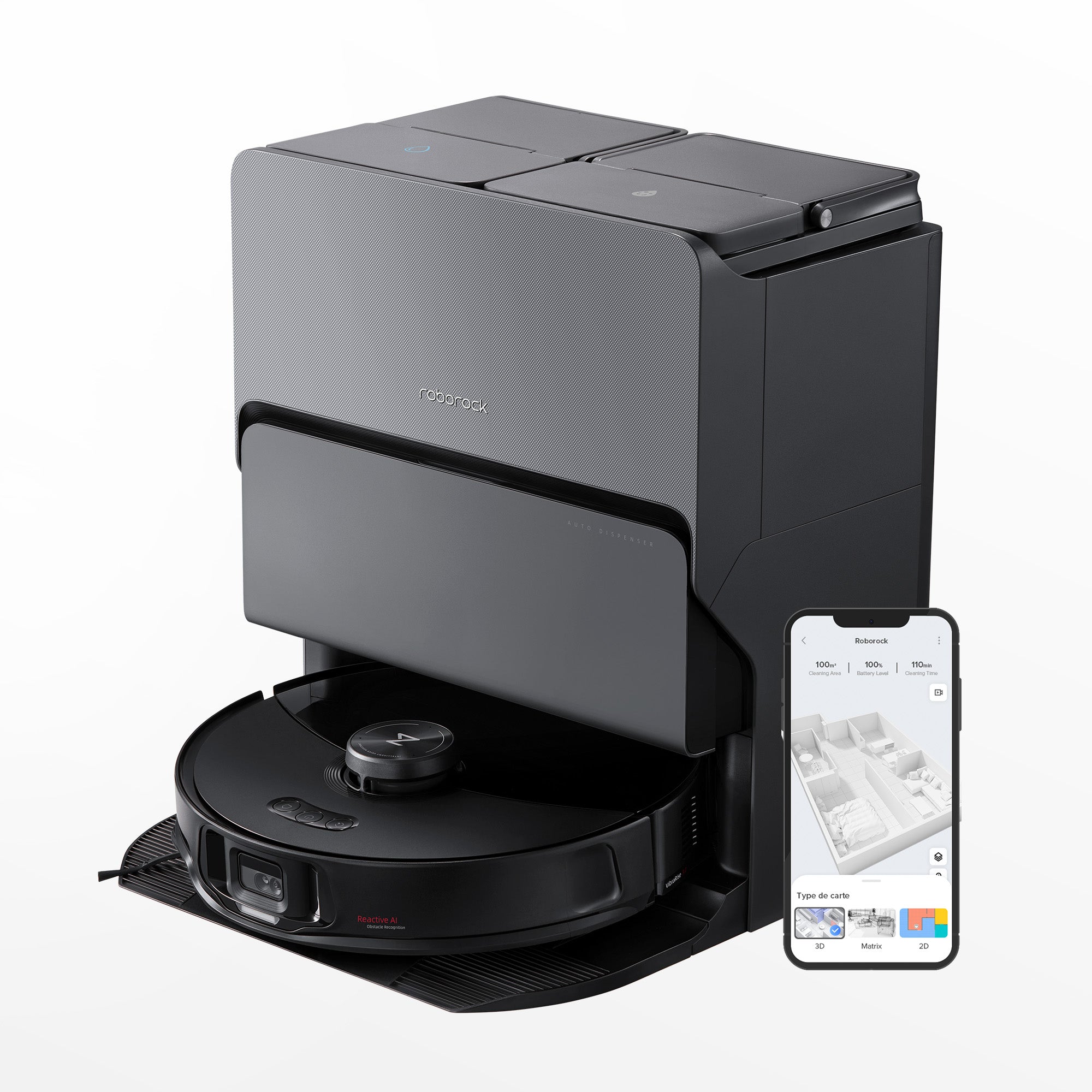
.jpg?width=1200)

When people say a robot vacuum is "smart," they almost always mean its navigation. Two systems dominate the market, and the choice quietly shapes how the robot behaves every single day.
Lidar: mapping with light
Lidar (Light Detection and Ranging) spins a small laser and measures how long the light takes to bounce back, building a precise floor plan in real time. Its great strength is that it works in total darkness — a lidar robot cleans your hallway at 2 a.m. just as well as at noon. It's accurate, fast to map, and the reason most premium robots sport that little raised turret on top.
The trade-off: a traditional spinning lidar sees a 2D slice at its own height, so it can miss low obstacles unless paired with extra sensors, and the turret adds a few millimetres that can snag on very low furniture.
vSLAM: mapping with a camera
vSLAM (Visual Simultaneous Localisation and Mapping) uses a camera to recognise visual landmarks — a doorframe, a table leg — and triangulate the robot's position. It allows a lower, sleeker body and pairs naturally with AI object recognition for obstacle avoidance. The catch is light: a pure-camera system struggles in the dark, so many run their big cleans during the day or add a light.
The modern answer: both
The cleanest distinction is fading. The best 2026 robots fuse a primary mapping sensor (often lidar or structured light) with a front camera plus a 3D sensor dedicated to dodging cords, socks and pet mess. Mapping and obstacle avoidance are increasingly separate jobs handled by separate sensors — which is exactly why a robot can map perfectly yet still eat a charging cable if its avoidance hardware is weak.
Which should you pick?
- You run cleans overnight or in a dim home: favour lidar or structured light.
- You want the slimmest robot for low furniture: a camera-led design may fit where a turret won't.
- You have pets or a cluttered floor: ignore the mapping debate and prioritise a true front camera + 3D obstacle avoidance.
On every product page we list the exact navigation hardware so you're never guessing. Compare the options in robot vacuums.