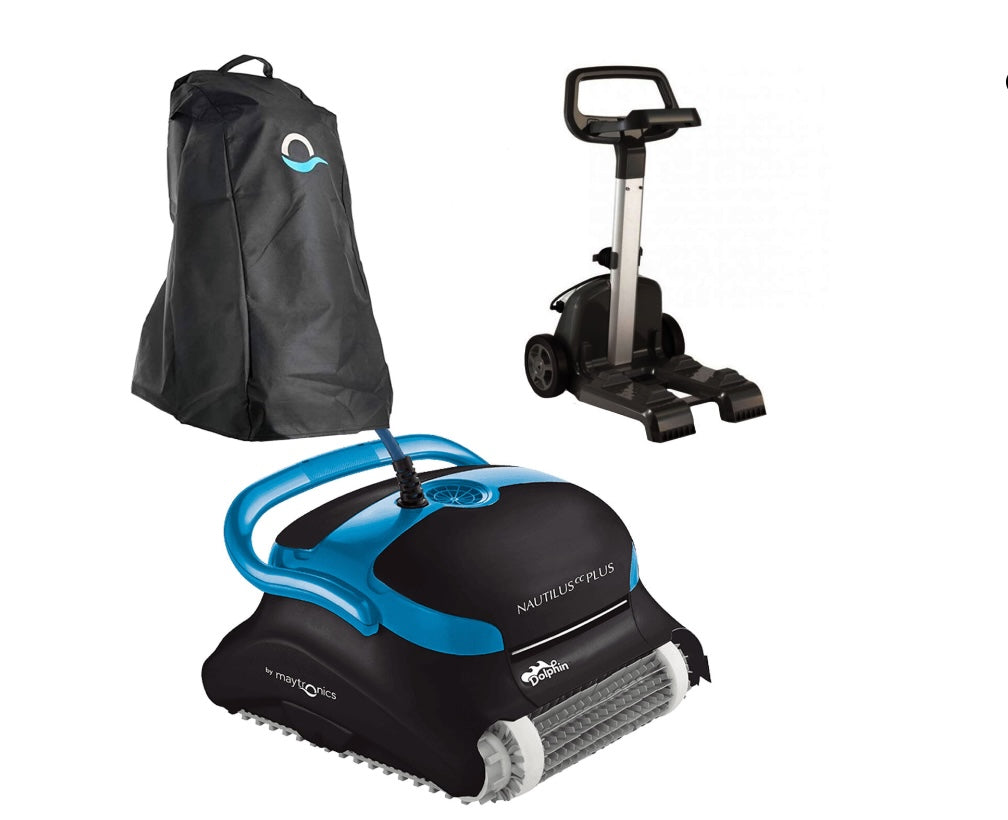
A robot pool cleaner is the most underrated robot in the home. It does a genuinely tedious, hot, repetitive job — scrubbing algae and debris off the floor, walls and waterline — entirely on its own, and it keeps your filter and chemicals working less hard in the bargain. But "pool robot" covers three quite different technologies, and buying the wrong one means frustration.
The three types, plainly
Cordless robotic cleaners are the modern, self-contained option: a battery-powered unit with its own motors, brushes and filter basket that you drop in and lift out. No hoses, no booster pump, nothing tethered to your pool's plumbing. They're the most convenient and increasingly the default.
Corded electric robots work the same way but run off a low-voltage cable to a poolside transformer, trading the cord for unlimited runtime and often stronger scrubbing on big pools.
Suction and pressure cleaners are the older guard: they connect to your pool's existing filtration or a booster pump and are dragged around by water flow. They're cheaper upfront but rely on your pump, can't climb walls as well, and clutter the pool with a hose.
What actually separates a good one
- Coverage and wall climbing: the best units map the pool and methodically cover the floor, walls and waterline rather than wandering randomly.
- Filter basket size and access: a top-loading basket you can rinse in seconds beats a fiddly bag you dread emptying.
- Cycle length and scheduling: shorter "quick clean" plus a deep cycle, ideally on a timer or app.
- Battery and runtime (cordless): make sure a single charge covers your pool size with margin.
Match the robot to your pool
Pool shape and surface matter as much as the spec sheet. A small above-ground pool is well served by an affordable cordless unit; a large in-ground pool with steps, a deep end and tiled walls wants strong wall-climbing and a longer cycle. Heavy leaf fall from nearby trees pushes you toward a large, easy-empty basket. And if you already have a powerful filtration pump, a pressure cleaner can make sense — otherwise the freedom of a cordless robot is hard to beat.
The payoff
Beyond the saved hours, a robot that runs a few times a week keeps debris off the floor before it stains, reduces how hard your main filter works, and helps chemicals distribute evenly — so the water simply stays clearer with less effort from you. It's a small category with an outsized quality-of-life return.
Compare current pool robots on coverage, filter and battery in pool cleaners, see our top-rated picks, or learn the jargon first in our buying guides.