.jpg?width=1200)

The humanoid robot is the most over-covered and under-delivered product category in tech right now. That's not a dismissal — the progress is real — but the gap between the demo reel and a robot you'd trust in your kitchen is wide, and worth understanding before you get excited about a pre-order.
What's genuinely impressive
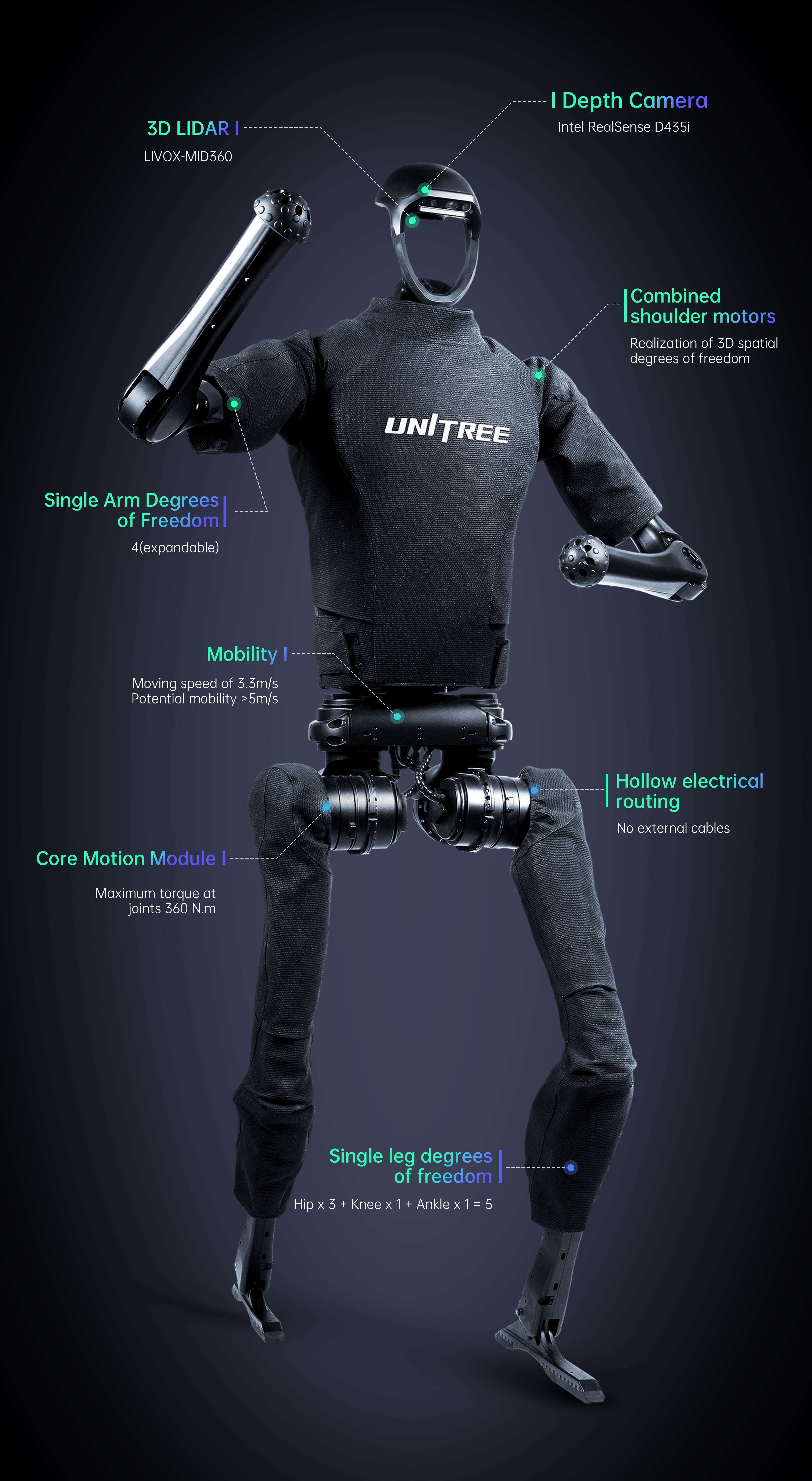
Three things have leapt forward. Balance and locomotion: bipedal robots now walk over uneven ground, recover from shoves and run. Hands: dexterous multi-finger manipulation has gone from research curiosity to repeatable demos. On-device AI: vision-language-action models let a robot take a plain instruction and break it into steps, rather than following hard-coded scripts.
What the demos hide
Watch closely and the caveats appear. Many demos are teleoperated (a human is puppeteering), sped up, or heavily retried off-camera. The tasks are narrow and the environments are controlled — a tidy lab, known objects, perfect lighting. Reliability is the unglamorous wall: a robot that succeeds 90% of the time sounds great until you realise that's a failure every tenth time it touches a glass of water near your child.
Where humanoids actually work today
The real deployments are industrial: moving totes in warehouses, tending machines, simple repetitive logistics — supervised, fenced or monitored, on tasks chosen precisely because they're predictable. That's a genuine market, and it's where the technology will mature and get cheaper before it ever reaches a living room.
What would have to be true for a home humanoid
- Unscripted reliability across messy, unknown homes — not a curated task list.
- Safety certified for operating around children and pets at human strength and speed.
- A price that competes with simply hiring help, plus maintenance you can live with.
None of those are close. Our take: treat 2026's home-humanoid announcements as research previews, not products. Meanwhile, the robots that quietly earn their keep — vacuums, mowers, pool cleaners — are the ones worth your money today. See where humanoids stand and how they compare.